

Best Time to Visit Tanzania
There is no single best time to visit Tanzania. There is a best time for what you specifically want to see, and that changes depending on whether you are chasing river crossings, calving season, quiet parks, or simply the lowest price for a comfortable camp. Most guides online will tell you June to October and […]
 By admin
July 30, 2026
9 min read
By admin
July 30, 2026
9 min read
There is no single best time to visit Tanzania. There is a best time for what you specifically want to see, and that changes depending on whether you are chasing river crossings, calving season, quiet parks, or simply the lowest price for a comfortable camp. Most guides online will tell you June to October and leave it there. That is true as far as it goes, but it misses most of what actually matters when you are the one deciding.
This guide breaks the year down properly: what each Tanzania safari season actually looks like on the ground, when the Great Migration reaches which part of the country, and how to weigh crowds and cost against the wildlife you are hoping to see.
The Short Answer: When to Go on Safari in Tanzania
If you want one clean rule: June through October is Tanzania’s long dry season, and it delivers the most reliable game viewing anywhere in the country, along with the Great Migration’s river crossings in the north. January through March is calving season on the southern plains, quieter, cheaper, and arguably just as dramatic if predator action is what draws you. April, May, and November bring rain and are the months most operators, ourselves included, would ask you to avoid unless you have a specific reason not to.
That is the short answer. Here is the longer one, because the details are where a trip actually gets planned well.
Tanzania’s Two Real Safari Seasons
Nearly everything about timing a Tanzania safari comes down to two seasons: dry and green.
The dry season runs roughly from late June through October. Rain is rare, vegetation thins out, and animals concentrate around the remaining water sources, which makes them dramatically easier to find. This is also when the Great Migration reaches the Mara River in the north, producing the crossings that most people picture when they imagine an African safari. It is Tanzania at its most predictable and its most crowded, and camps in the Serengeti and Ngorongoro fill up six to twelve months in advance for these dates.
The green season splits into two distinct rainy periods. The short rains fall in November and into early December, usually as brief afternoon showers rather than the kind of downpour that disrupts a day’s game drive. The long rains fall from March through May and are heavier and more sustained, the reason several camps in the southern and western circuits close entirely during April and May. Between the two rainy stretches, from late December through February, sits a genuinely excellent window that a lot of first-time travellers overlook entirely.
Best Time for the Great Migration in Tanzania
The Great Migration is not a single event on a single date. It is a continuous, roughly circular movement of over a million wildebeest and zebra that never actually stops, which means the “best” time to see it depends on which part of the spectacle you want.
If you want the Mara River crossings, the single most dramatic moment of the entire cycle, plan for July through September, sometimes stretching into October depending on how the rains fell the previous season. This is when the herds push into the far north of the Serengeti and attempt the crossing, with predators and crocodiles waiting. It is also the most heavily booked window in the Tanzania safari calendar, so camps along the northern circuit need reserving well in advance.
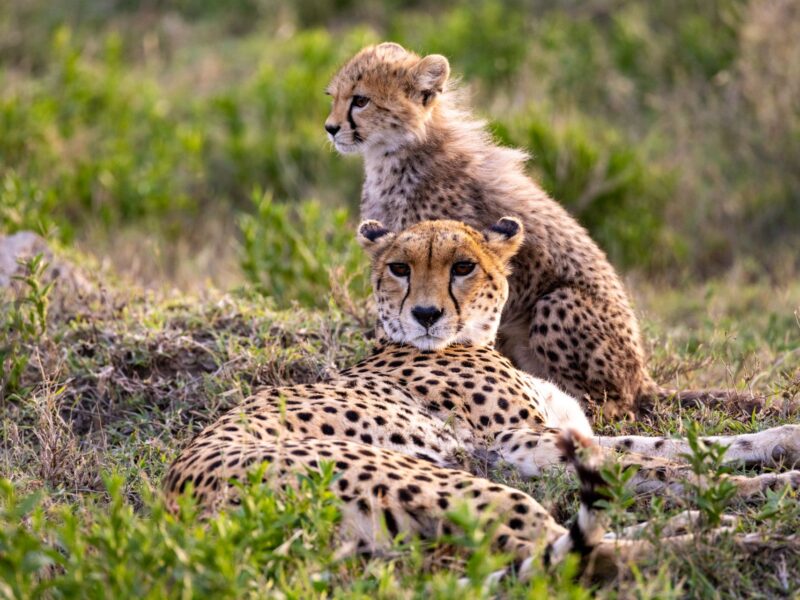
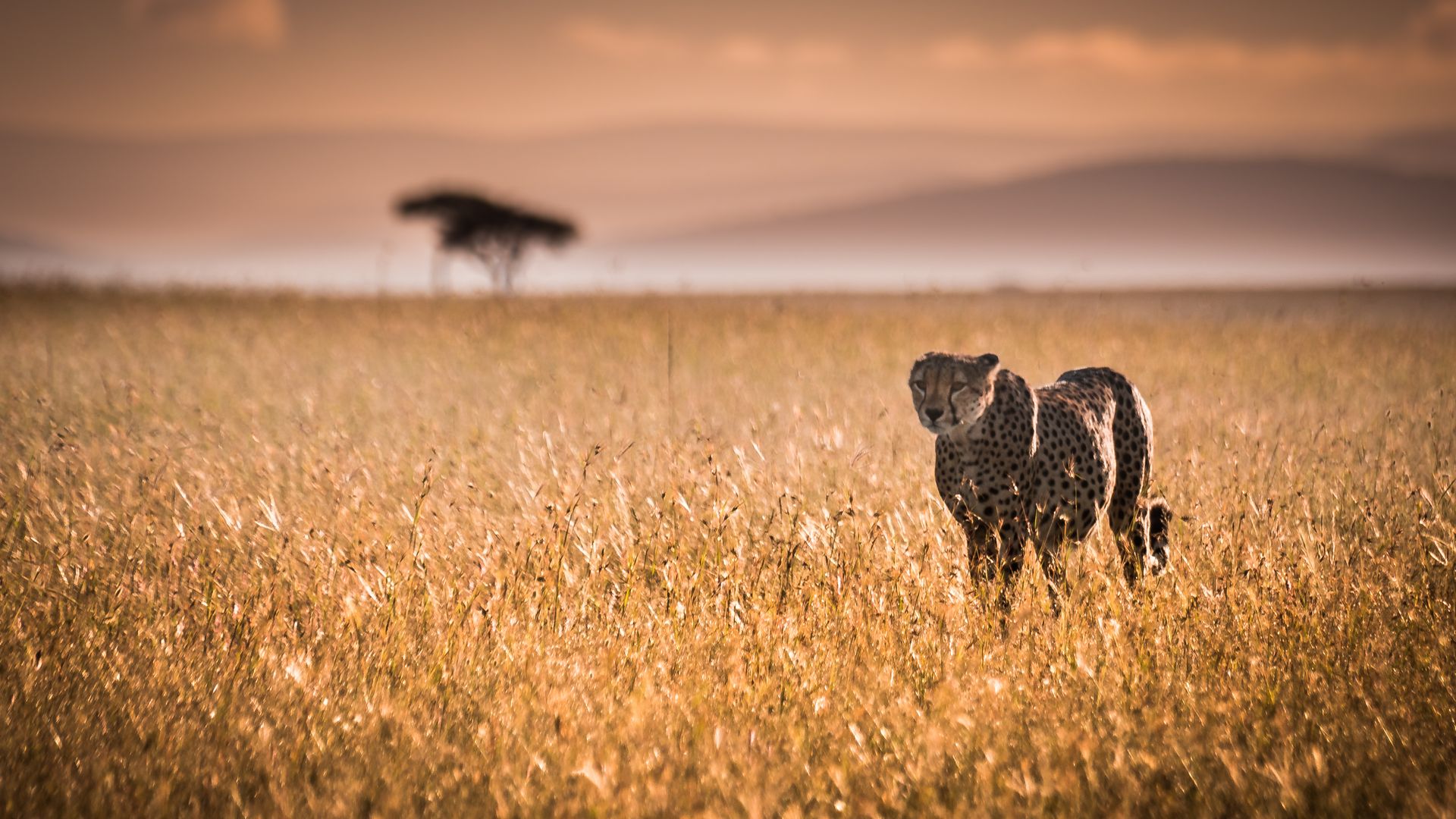
If you want calving season instead, look to January through March, when the herds gather on the short-grass plains south of the Serengeti, around Ndutu, and give birth to an estimated 8,000 calves a day at the peak. The concentration of vulnerable newborns draws in lion, cheetah, and hyena in numbers that rival the drama of a river crossing, with a fraction of the crowd and a noticeably lower price tag.
Between these two headline events, the herds are almost always somewhere worth watching. A specialist itinerary timed around the Migration’s actual position in a given month, rather than a generic “June to October” recommendation, is one of the more valuable things a good operator does.
Month by Month: Tanzania’s Safari Calendar in Detail
January and February sit at the heart of calving season on the southern plains. Skies are mostly clear between short bursts of rain, crowds are noticeably thinner than peak season, and rates are meaningfully lower than the July to October window, despite the wildlife viewing being every bit as good in its own way.
March marks the start of the long rains in most years, though the exact timing shifts year to year. Roads can turn difficult in places, and this is generally the point where we start steering first-time travellers toward other months unless flexibility and lower rates matter more to them than guaranteed dry-weather game drives.
April and May are the heart of the long rains. Some camps in the southern and western circuits close entirely, roads become genuinely difficult in places, and thicker vegetation makes spotting wildlife harder work. Serious photographers occasionally choose this stretch deliberately for the dramatic light and the empty parks, but we would not recommend it for a first Tanzania safari.
June is the turning point. Rains taper off, the bush starts to dry out, and the Migration begins its push north through the central Serengeti. Crowds are still manageable and rates have not yet hit their peak-season high.
July, August, and September are peak dry season and peak Migration season simultaneously. Wildlife viewing across every part of the country is at its most reliable, and the northern Serengeti’s Mara River crossings typically play out somewhere in this window. Expect the highest rates and the earliest booking deadlines of the year.
October often still delivers excellent dry-season conditions and a tail end of Migration activity in the north, with slightly thinner crowds than the July to September peak as some travellers assume the season has already ended.
November is genuinely underrated. The short rains arrive, but they are usually limited to brief afternoon storms rather than anything that disrupts your day. Crowds from the dry season have gone home, rates drop noticeably, and the Migration herds are typically moving back south toward the calving grounds, which means good sightings without peak-season vehicle counts at the best viewpoints.
December sits in a genuinely pleasant in-between window, dry enough for comfortable travel, before the January calving crowds properly arrive, and often a good month to combine a safari with a few days on Zanzibar afterwards.
Best Time to Visit Tanzania’s Different Parks
Timing shifts slightly depending on which parks are on your itinerary, which matters if you are building a multi-park circuit rather than focusing on one location.
The Serengeti works well nearly year-round given its size, though the specific area worth visiting shifts by season: south for calving in January to March, north for river crossings in July through October. Ngorongoro Crater holds a dense, resident population of wildlife regardless of season, making it one of the more forgiving parks on the calendar, with February often cited as the quietest month for visitor numbers. Tarangire peaks for elephant concentrations in the dry season, July through October, when animals gather along the Tarangire River as smaller water sources dry up elsewhere. Zanzibar, if you are extending onto the coast, is best avoided during the long rains of April and May for the same reasons the mainland parks are, but works well nearly any other time of year.
Crowds, Cost, and What We Actually Recommend
Peak season, July through October and increasingly December through February as calving season has become better known, means the best sightings and the highest prices, and it means booking your camps well in advance, sometimes a year out for the most sought-after properties during Migration season. The green season months trade some wildlife-viewing reliability for meaningfully lower rates, thinner crowds, and in the case of January and February, calving season action that rivals anything the dry season offers.
There genuinely is no wrong time to visit Tanzania. There is only the time that matches what you specifically want from the trip.
If Kilimanjaro Is Part of Your Trip
Kilimanjaro’s clearest trekking windows largely mirror the safari seasons: late June through October, and again January through March, are when trails are driest, and summit visibility is best. April, May, and November are best avoided on the mountain for the same reasons they are best avoided on safari. If you are combining a climb with time in the parks, which most of our climbers do, this overlap makes planning considerably easier, though the two calendars don’t always line up perfectly and it is worth building your itinerary with both in view from the start.
Frequently Asked Questions
What is the cheapest time to visit Tanzania? April and May, during the long rains, offer the lowest rates of the year, though several camps close entirely during this window. For a better balance of value and reliable game viewing, November and the January to February calving season are usually the better answer.
Is Tanzania a good safari destination year-round? Broadly yes, though with real seasonal tradeoffs. Ngorongoro Crater and central Serengeti offer strong wildlife viewing nearly every month, while more remote southern and western parks are best kept to the dry season.
How many days do I need for a Tanzania safari? Most well-paced itineraries run seven to ten days for a first safari, enough time to cover two or three parks without feeling rushed between them. Shorter trips of four to five days can still work well if focused on one or two locations.
Do I need to book far in advance for Migration season? Yes. The most sought-after camps along the northern circuit during July to October routinely book out six to twelve months ahead. Calving season camps in the south fill up somewhat less far in advance, but early booking is still worthwhile.
Planning Your Trip Around the Right Season
When you get in touch, the first thing we ask is not “when are you free” but “what do you most want to see,” because that question determines the ideal season far more than the calendar alone does. Tell us what draws you, whether it is river crossings, calving season, a quieter park with fewer vehicles, or a Kilimanjaro climb built into the same trip, and we will build the itinerary and the timing around it together.