
Kilimanjaro & Beyond
Trekking in
Tanzania
Africa’s highest peak, and the quieter summits around it, climbed the way we run every safari: privately, at your pace, and guided by people who know the mountain as well as they know the plains below it.
Trekking Overview
Climbing With Exclusive Wilderness Trails
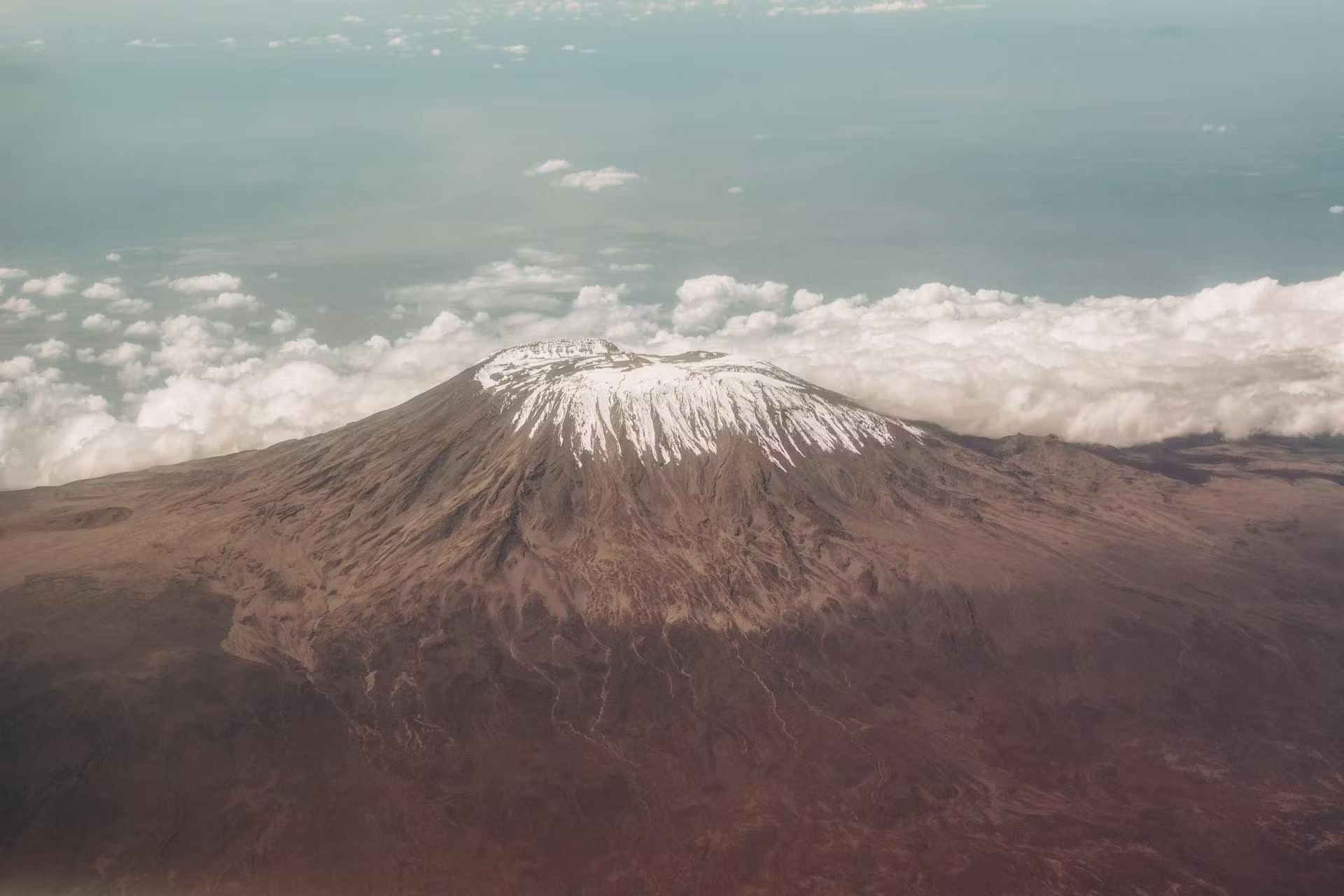
Kilimanjaro is the reason most people come to us to trek. At 5,895 metres it is the tallest mountain in Africa and the tallest free standing mountain anywhere in the world, yet it asks nothing of you in the way of ropes, harnesses, or technical climbing experience. What it does ask for is fitness, time, and a route built with enough days on the mountain for your body to adjust to the altitude. Rush that and the mountain will tell you. Give it room and most fit, well prepared climbers reach the summit.
Beyond Kilimanjaro we also guide Mount Meru, inside Arusha National Park, and Ol Doinyo Lengai, the active volcano the Maasai call the Mountain of God, near Ngorongoro. Meru is steeper and shorter than Kilimanjaro, which makes it a genuinely useful acclimatisation climb in the days before a Kilimanjaro attempt, and a rewarding trek in its own right for travellers with less time. Lengai is a different experience altogether: a single overnight ascent across volcanic scree to reach the crater rim by sunrise, and one of the more physically demanding routes we run despite its shorter distance.
Every trek we arrange follows the same approach we take with a safari. You are not placed on a scheduled group departure alongside strangers, and your dates are not fixed by someone else’s calendar. We plan around your fitness, your available time, and the season, then assign our own guides and support crew, the same people we have worked with for years and trust with our own itineraries. Porters, cooks, and a lead guide trained in altitude management travel with every climb, and a pulse oximeter is used to check your oxygen levels at camp each day, so decisions about pace and rest are made on evidence rather than guesswork.
Route choice matters more than most climbers expect. Shorter routes look appealing on paper because they cost less and take less time away from work, but they also compress the acclimatisation schedule and lower your odds of a successful summit. Longer routes such as Lemosho and Machame spread the ascent over more days, which gives your body more time to adjust and consistently produces higher success rates. We will talk you through the tradeoffs for your fitness level, your timeline, and the season you are travelling in, and recommend the route that gives you the best realistic chance of standing on the summit, rather than the one that simply looks shortest on an itinerary.
Kilimanjaro’s clearest trekking windows run from late June through October and again from January to March, when trails are driest and visibility is best, though the mountain can technically be climbed for most of the year outside the heaviest rains in April, May, and November. We help you plan timing as part of booking your climb, particularly if you are pairing it with a specific stretch of your safari, since the best trekking months do not always line up neatly with the best wildlife viewing months in the parks below.
Where We Climb
Mountains We Climb
Mount Kilimanjaro
Kilimanjaro National Park · 5,895m
Africa's highest peak and the world's tallest free standing mountain. No technical climbing is required, just fitness, time, and a route with enough days built in for proper acclimatisation.
Mount Meru
Arusha National Park · 4,566m
A steeper, quieter climb inside Arusha National Park. Often used as an acclimatisation warm up before Kilimanjaro, and a rewarding trek in its own right for travellers with less time.
Ol Doinyo Lengai
Ngorongoro Conservation Area · 2,962m
The Maasai's "Mountain of God," an active volcano overlooking the Rift Valley. Typically climbed overnight to reach the crater rim by sunrise.
How It Fits Together
An Extension of Your Safari, Not a Separate Trip
We build every climb as part of a wider Tanzania itinerary, or a combined Kenya and Tanzania journey, rather than as a trip on its own. Climb first and the days on the mountain double as a genuine acclimatisation period before the altitude of the Ngorongoro Crater rim or a light aircraft transfer into the Serengeti. Climb last and a few nights back at a lodge, with a hot shower, a proper bed, and someone else cooking dinner, make for a good way to recover before flying home. Either order works. What matters is that your specialist plans the whole trip as one connected itinerary, with transfers, rest days, and timing worked out in advance, rather than treating the mountain and the safari as two separate bookings that happen to fall in the same week.
Good To Know
Trekking, Answered
No technical climbing skills are required. Kilimanjaro is a high altitude trek on established paths, not a climb requiring ropes, harnesses, or prior mountaineering experience. What matters far more is cardiovascular fitness built up in the months before you travel, and a realistic acclimatisation schedule once you are on the mountain. Climbers in their sixties and seventies summit regularly, and fit teenagers sometimes do not, because altitude affects everyone differently regardless of age or gym fitness.
Ready to Climb?
Plan Your Kilimanjaro Climb
Speak with our specialist team about routes, timing, and how a climb fits alongside your safari. We will walk you through the tradeoffs honestly, including which route gives you the best realistic chance of reaching the summit, and build a schedule around the time you actually have.